
Horribilis; the Last Grizzly Bears of the West

Bigfoot, Arizona’s Last Grizzly Bear was Killed in 1935 on Escudilla Mountain, Dibond Print, 45” x 60”, 2025

The Last Two Grizzly Bears in North Dakota were Killed Near the Town of Oakdale in the Fall of 1897, Dibond Print, 45” x 60”, 2026
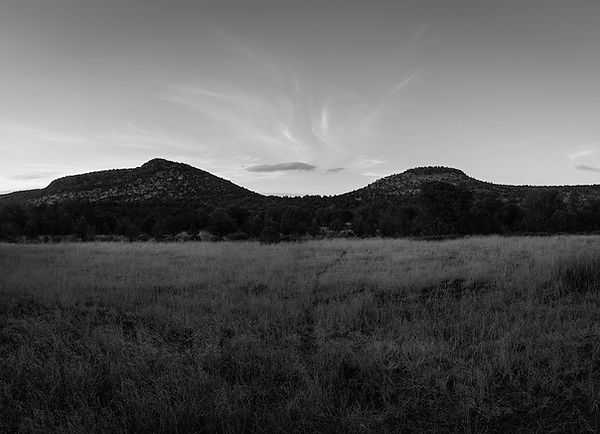
In 1890, the Last Grizzly Bear in Texas was Killed in the Brown Mountains, Dibond Print, 45”’ x 60”’, 2025

On April 17, 1931 the Last Grizzly Bear in New Mexico was Killed along Rain Creek, Dibond Print, 45” x 60”, 2025

The last grizzly bear in California was was killed in Horse Corral Meadow in August of 1922, Dibond Print, 45” x 60”, 2026
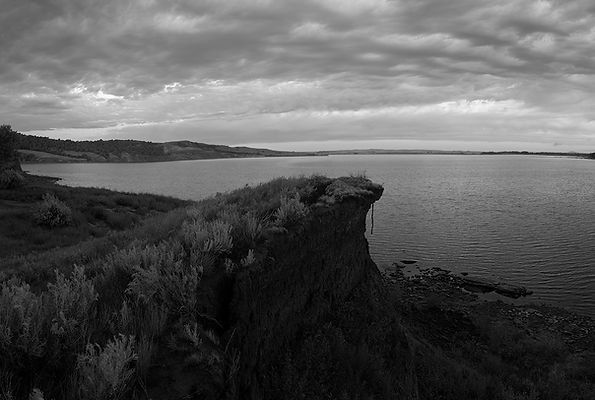
In 1823, Hugh Glass was attacked by a Grizzly Bear near the Forks of the Grand River, South Dakota, Dibond Print, 45” x 60”, 2026

Along the headwaters of the Navajo River near the New Mexican border, Colorado’s last grizzly bear was killed in 1970, Dibond Print, 45” x 60”, 2025

Old Ephraim’s Cenotaph, Wasatch Mountains, Utah, Dibond Print, 45”x60”’ x 4’, 2025

In 1931, the Last Grizzly Bear in Oregon was killed in Billy Meadows, Dibond Print, 45” x 60”, 2026

This series features photographs of the sites where the last grizzly bears were killed in each of the states that constituted their historic range, and other sites of historical importance. In the 1800’s grizzly populations saw a precipitous decline, due to the expansion of settlers from the eastern United States. Grizzly bears were slowly extirpated, state by state, and now only survive as a remnant population, occupying only three percent of their historic range. The idea for this series was inspired by the writer and naturalist Aldo Leopold. His essay, “Thinking Like a Mountain” details the hunt for, and subsequent killing of the last grizzly bear in Arizona in the Escudilla Mountain Wilderness. In his essay, he laments the extirpation of the grizzly bear and how its absence radically changed the perception of the landscape, “Escudilla still hangs on the horizon, but when you see it, you no longer think of the bear. It’s only a mountain now.” Over the years, county by county, state by state the wild landscapes of the west experienced a similar symbolic and literal die off as the bears and their mythic presence disappeared. Grizzly bears are considered a keystone species and without them these ecosystems were profoundly changed. The large photographs in Horribillis will convey the haunting absence of the grizzly and provide an interesting contemporary dialectic by comparing and contrasting the once verdant landscapes of the past with their contemporary state, undoubtedly changed by human presence, the passing time and the extirpation of large predators. The images are shot during the twilight of the blue hour. Brooding, ominous scenes that suggest the haunting presence of the bears, sites that activate narrativity on a scale which allows viewers to inhabit the space. I hope the work can shed light on this fascinating, if dark, history and help in conservation and reintroduction efforts currently underway.

The Lewis and Clark expedition killed their first grizzly bear on April 29, 1805 near the confluence of Big Muddy Creek and the Missouri River, Dibond Print, 45” x 60”, 2026